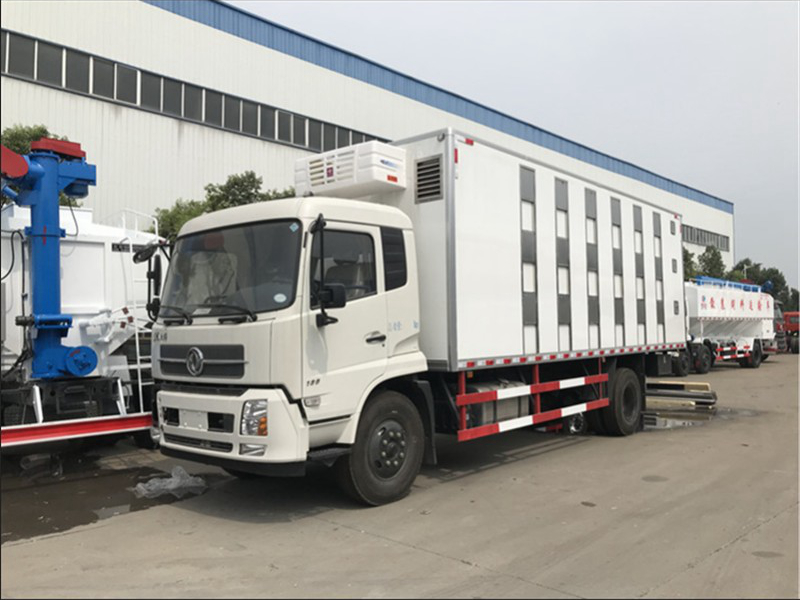
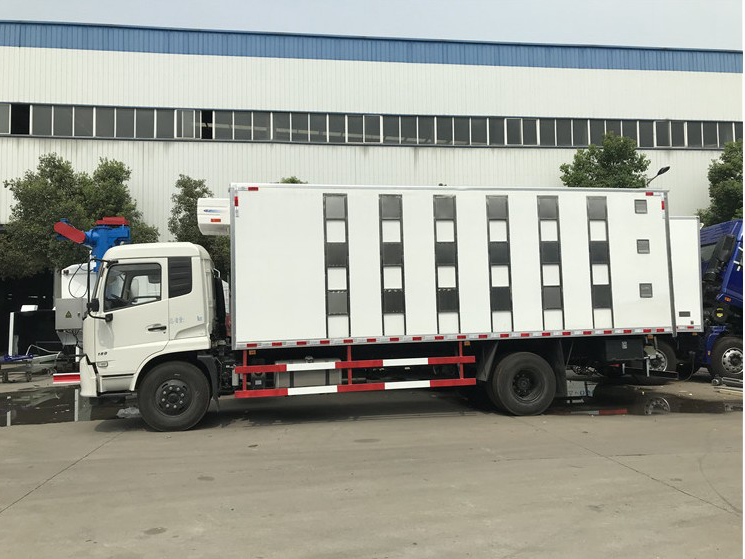
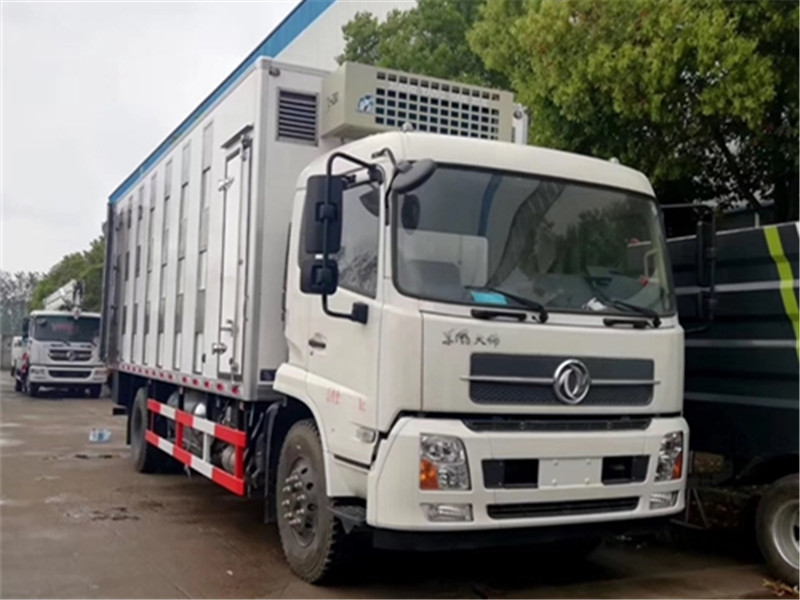
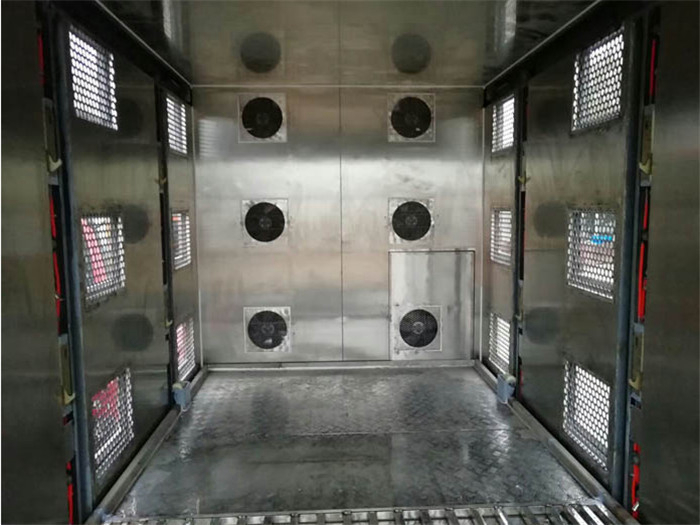
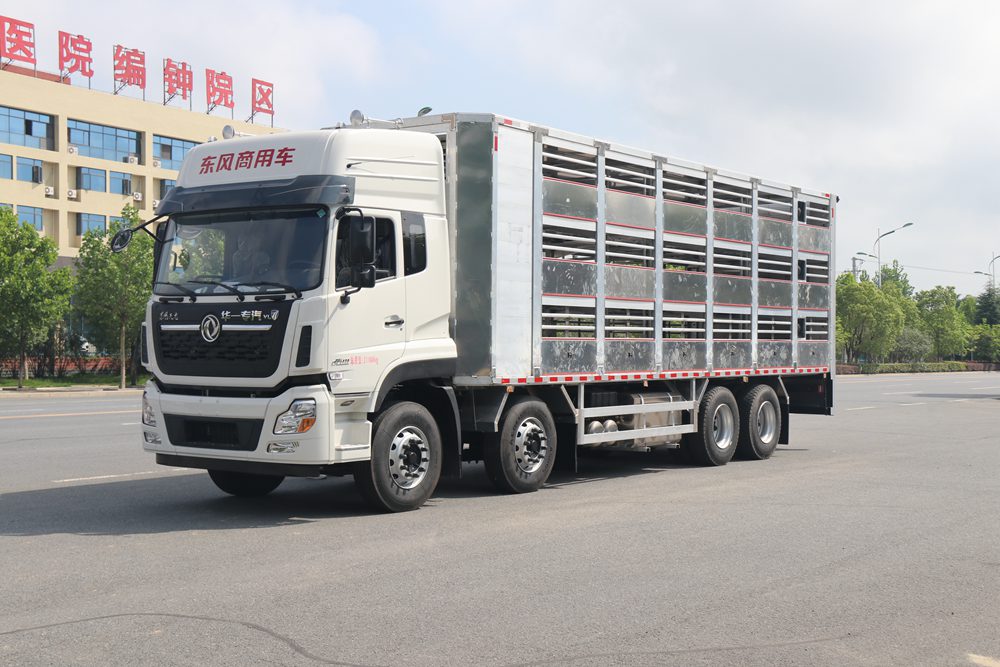
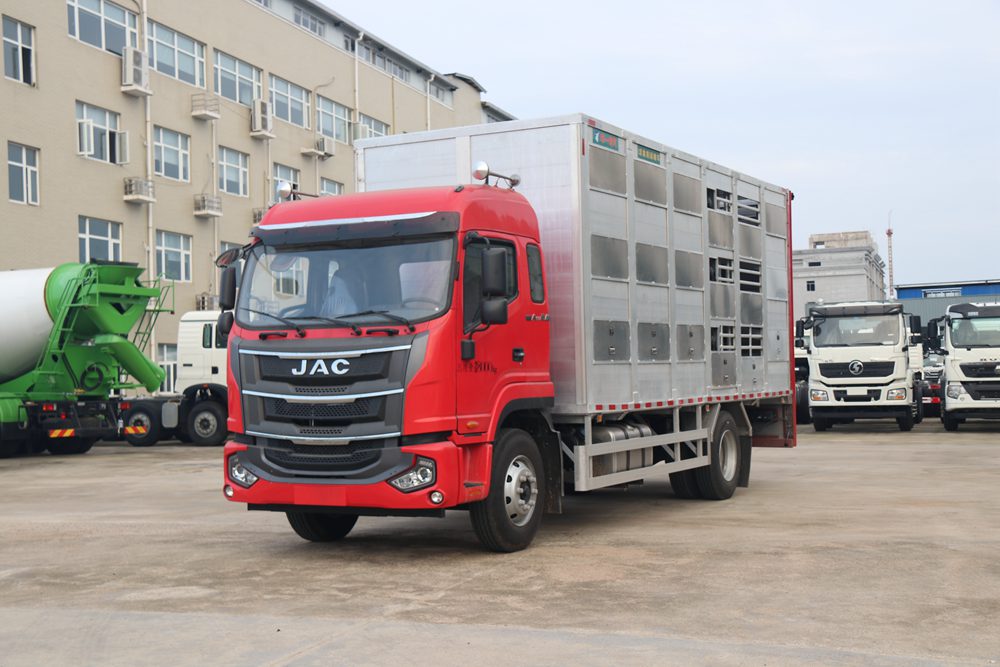
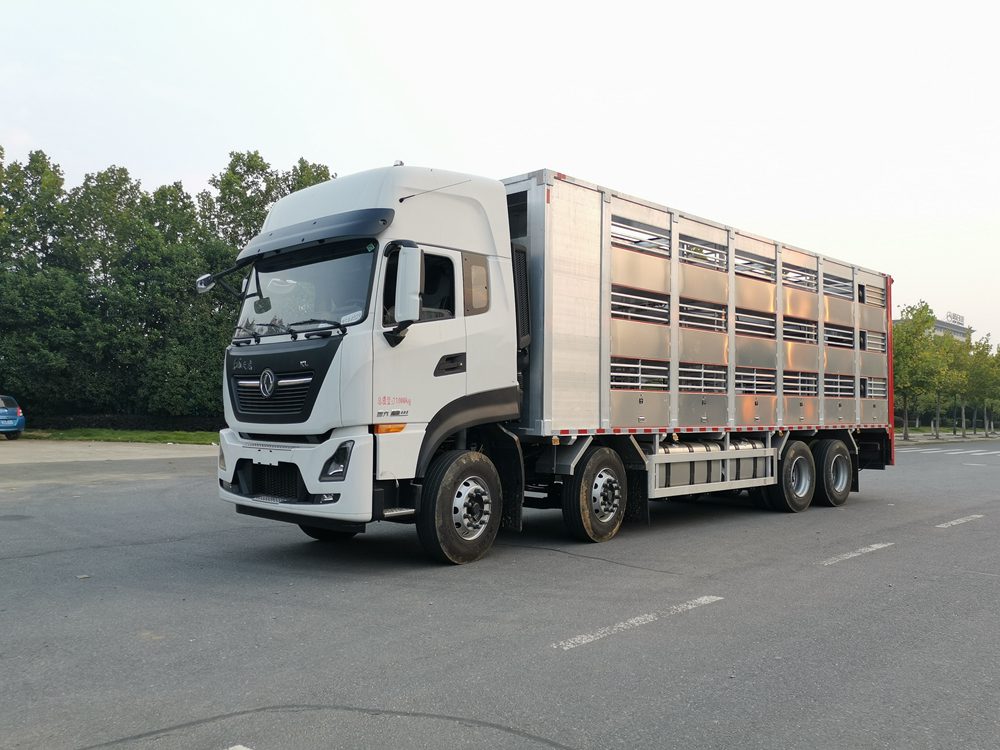
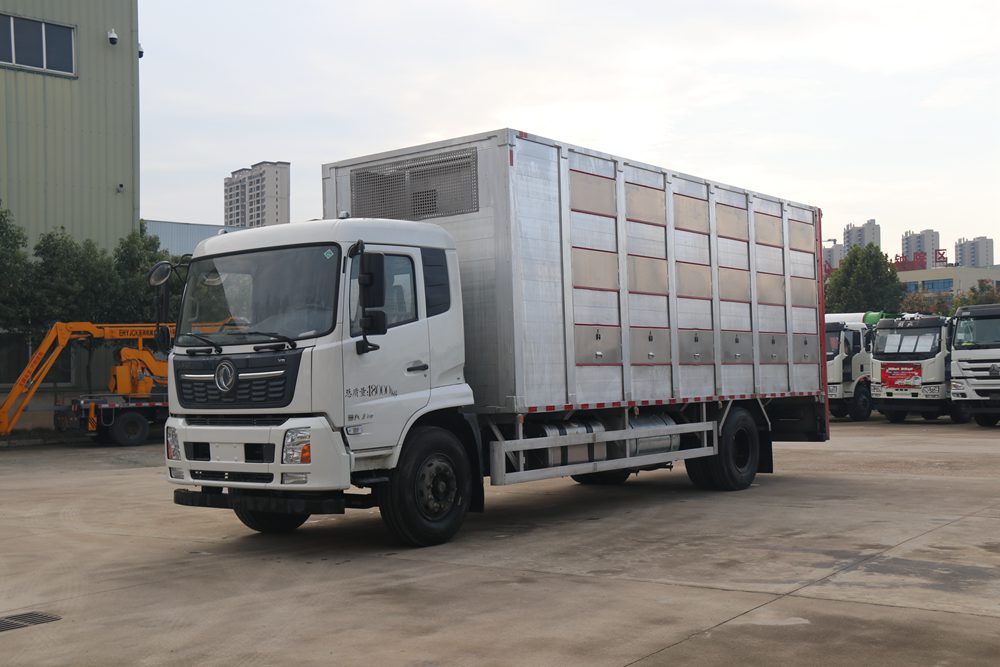
Note: While we have made every effort to ensure the accuracy of this product description based on currently available information, please note that vehicle specifications, configurations, materials, colors, and other details are subject to change at any time. Therefore, this product description is for reference only; the actual appearance, configuration, and color of the vehicle shall be determined by the physical vehicle at the time of sale.
Precautions during the transportation of piglets by transport vehicles
Before transporting the breeding pigs, the vehicles and tools should be disinfected with an effective disinfectant for at least two times. It is preferable to leave the vehicles idle for one day before loading the pigs. Before loading the pigs, a thorough disinfection with a less irritating disinfectant (such as dithiocarbamate combined iodine) should be carried out, and a disinfection certificate should be obtained.
During the transportation process, every effort should be made to reduce the stress and limb injury of the breeding pigs, and prevent deaths and infections caused by diseases during the transportation. The breeding farms are required to stop feeding the pigs to be transported 2 hours in advance, and when loading the pigs onto the vehicle, the process should not be too hasty. Special attention should be paid to protecting the limbs of the breeding pigs, and the vehicle doors should be fixed properly after loading.
For long-distance transportation vehicles, the compartments can be padded with materials. In winter, straw, rice husks, and sawdust can be used; in summer, fine sand can be used. This is to reduce the possibility of damage to the limbs and hooves of the breeding pigs. The number of pigs loaded should not be too large. Loading too densely can cause squeezing and lead to the death of the breeding pigs. The compartments for transporting breeding pigs should be divided into several sections, with 4 to 6 pigs in each section. The partitions should be made of smooth steel pipes to avoid injuring the breeding pigs. Male pigs that have reached sexual maturity should be separated and placed separately. They should be sprayed with a strong-smelling disinfectant (such as compound phenol) or mixed with female pigs to prevent them from interacting with each other.
For long-distance transported breeding pigs, a long-acting antibiotic should be injected into each pig at a dose of 1ml per 10kg to prevent bacterial diseases from infecting the pig herd during transportation. For breeding pigs showing particularly excited behavior, appropriate sedative injections such as chlorpromazine can be administered.
For long-distance transportation of pig trucks, they should preferably take the expressway to avoid traffic jams. Each vehicle should be equipped with two drivers who take turns driving. During the journey, sharp braking should be avoided as much as possible. It is important to choose a route without other vehicles parked on it. For newly introduced breeding pigs, they should be first raised in isolation pens instead of being directly transferred to the production area of the pig farm. This is because doing so is highly likely to introduce new diseases or cause the same diseases due to different strains. After the breeding pigs reach their destination, the unloading platform, vehicles, pigs’ bodies, and the ground around the unloading area should be disinfected immediately. Then, the breeding pigs should be unloaded and grouped by size and gender. Pigs with injuries or prolapses should be immediately isolated in separate pens and treated promptly. First, provide drinking water to the breeding pigs. After resting for 6 hours to 12 hours, they can be given a small amount of feed. From the next day, the feeding amount can be gradually increased. After 5 days, they can resume normal feeding. In the first two weeks after arriving at the farm, due to fatigue and changes in the environment, the body’s resistance to diseases will decrease. In terms of feeding management, it is necessary to minimize stress as much as possible. Antibiotics (such as tyamycin at 50mg/kg and chlortetracycline at 150mg/kg) and various vitamins can be added to the feed to help the breeding pigs recover quickly. Breeding pigs must be isolated in isolation pens for 30 days to 45 days after arriving at the farm and undergo strict quarantine. In particular, attention should be paid to diseases such as Brucellosis and pseudorabies (PR), and blood samples should be taken for testing by relevant veterinary quarantine departments to confirm that there is no positive bacterial infection or wild virus infection. From the first week after arrival, all types of vaccines for swine fever and other diseases should be administered according to the immunization program of this farm. During this period, 7-month-old后备 pigs can receive some immunizations for diseases causing reproductive disorders, such as parvovirus disease and encephalitis vaccine. During the isolation period, after all vaccines are administered, a comprehensive deworming should be carried out to enable the breeding pigs to fully exert their growth potential. After the isolation period, the surface of this batch of breeding pigs should be disinfected, and then they should be transferred to the production area for normal production.
 English