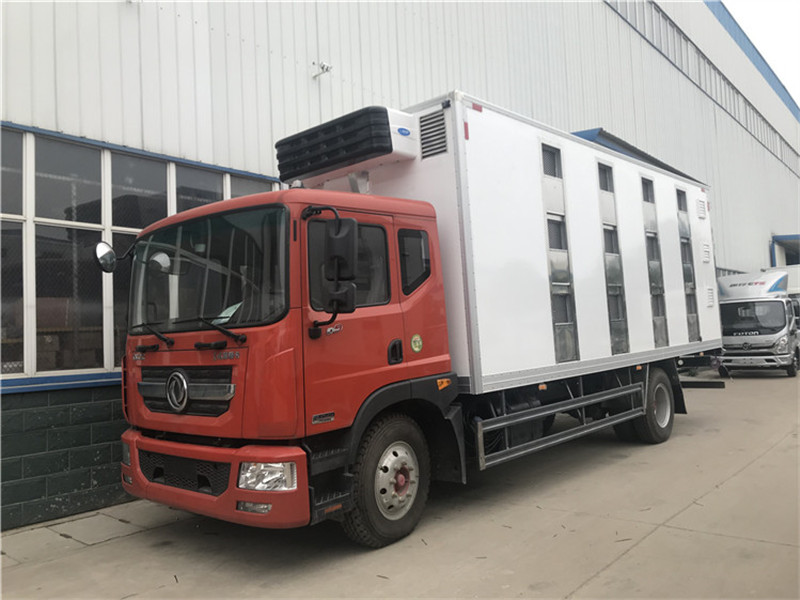
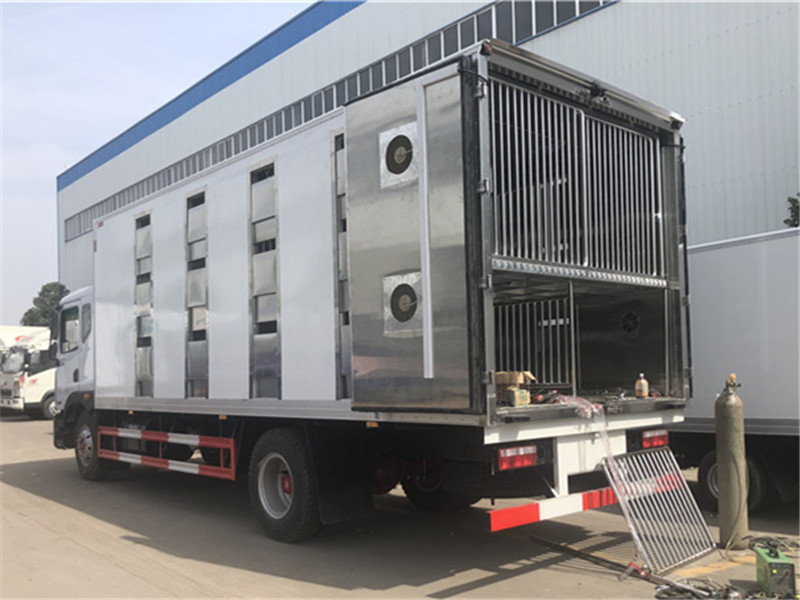
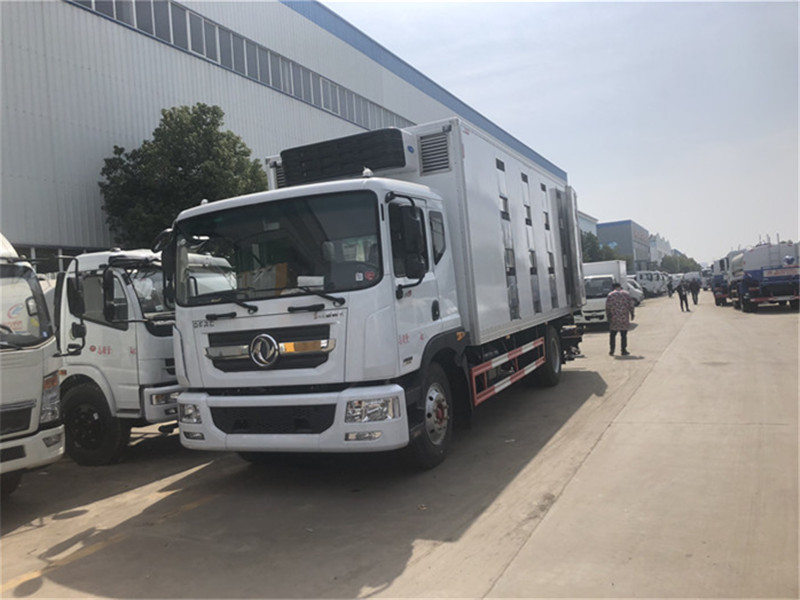
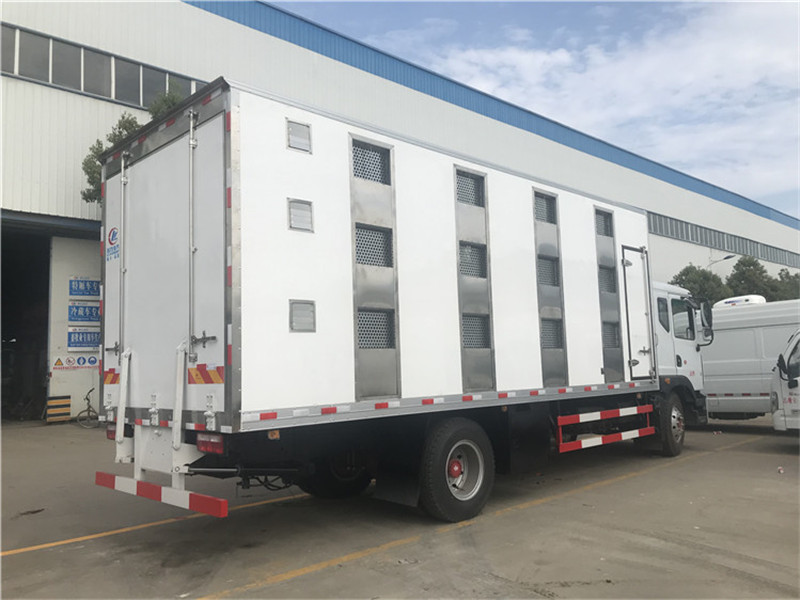
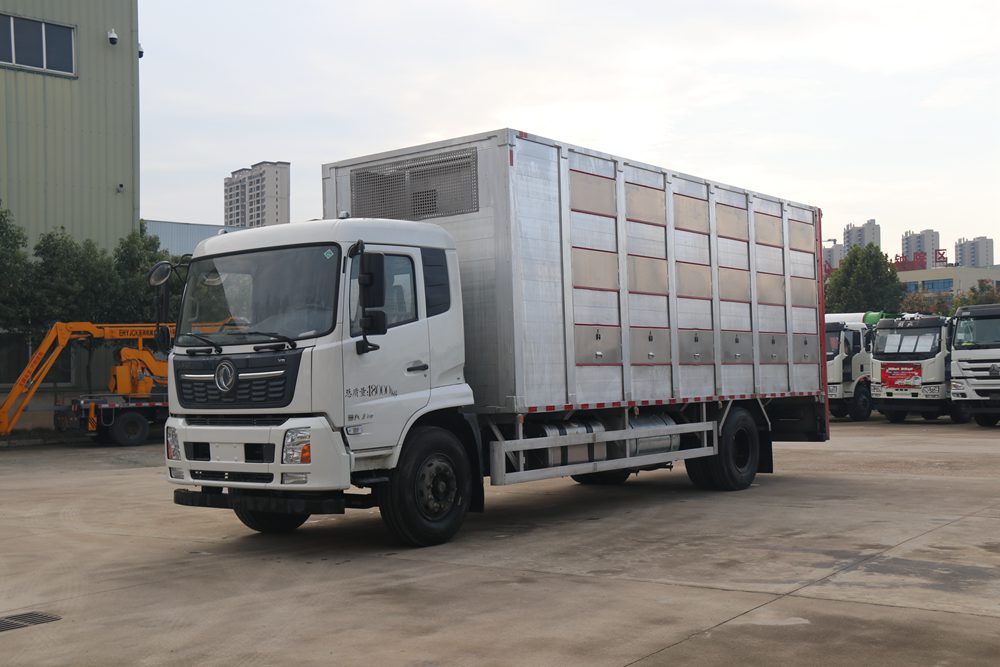
Note: While we have made every effort to ensure the accuracy of this product description based on currently available information, please note that vehicle specifications, configurations, materials, colors, and other details are subject to change at any time. Therefore, this product description is for reference only; the actual appearance, configuration, and color of the vehicle shall be determined by the physical vehicle at the time of sale.
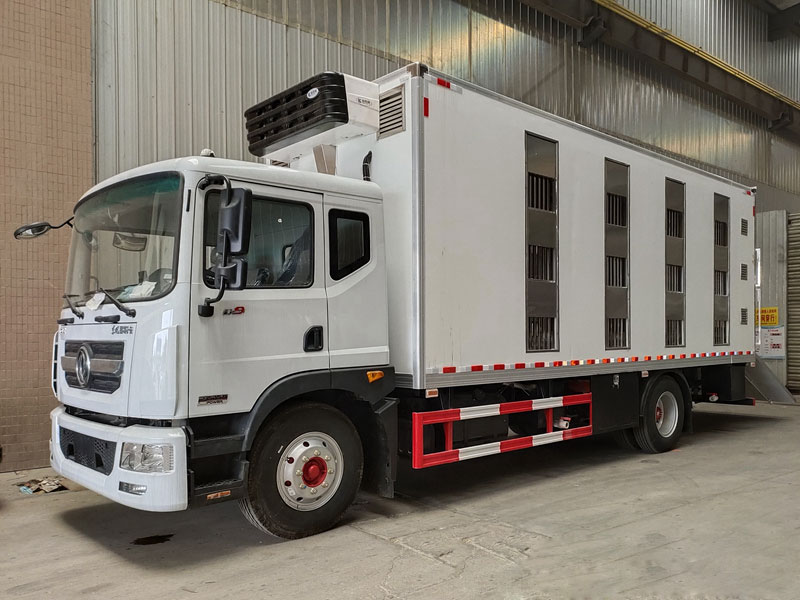
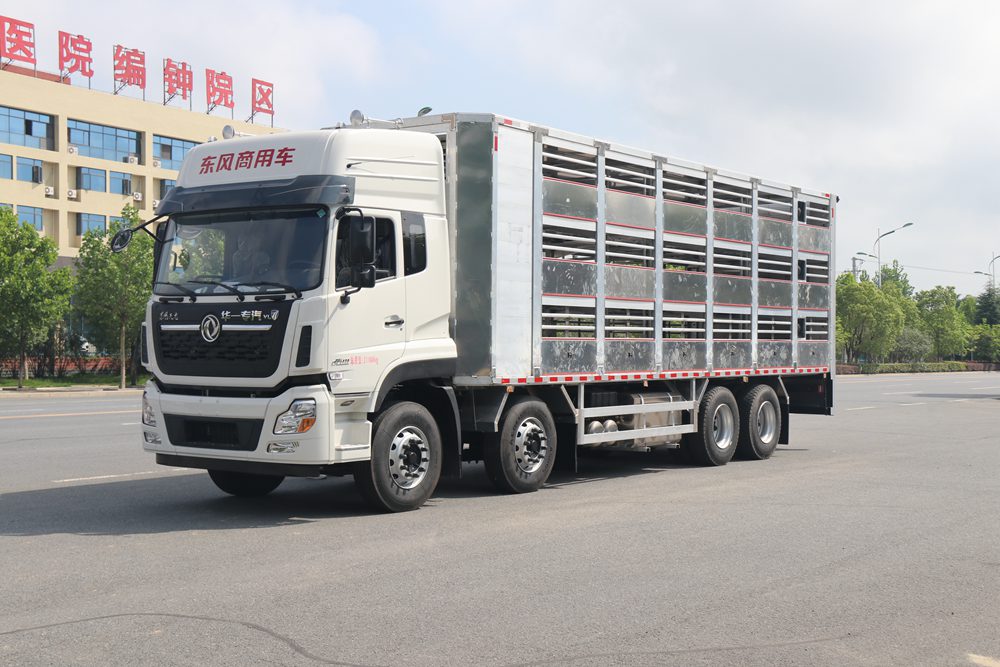
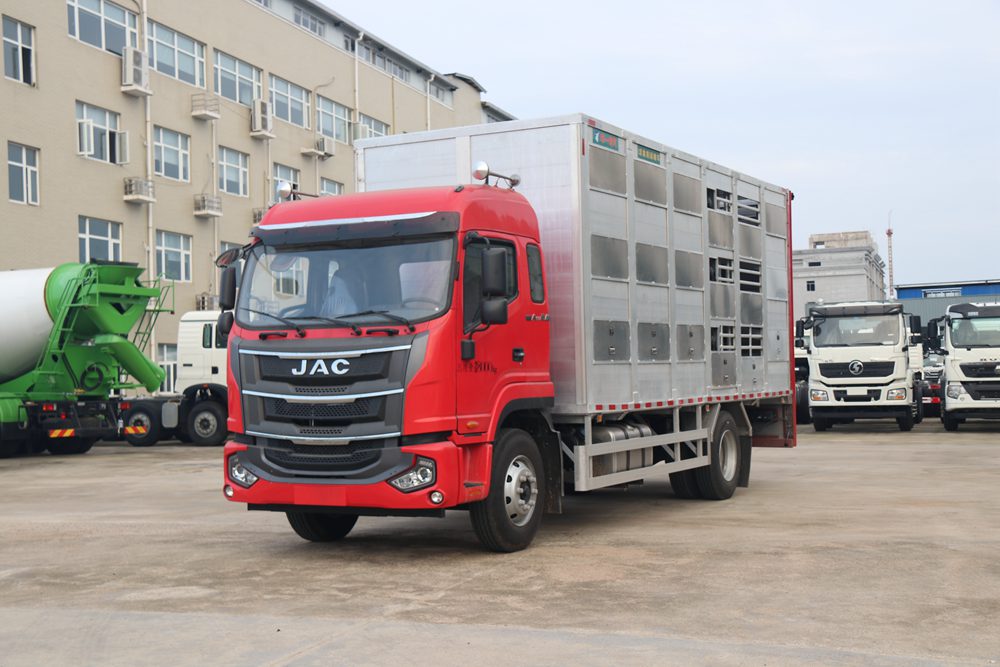
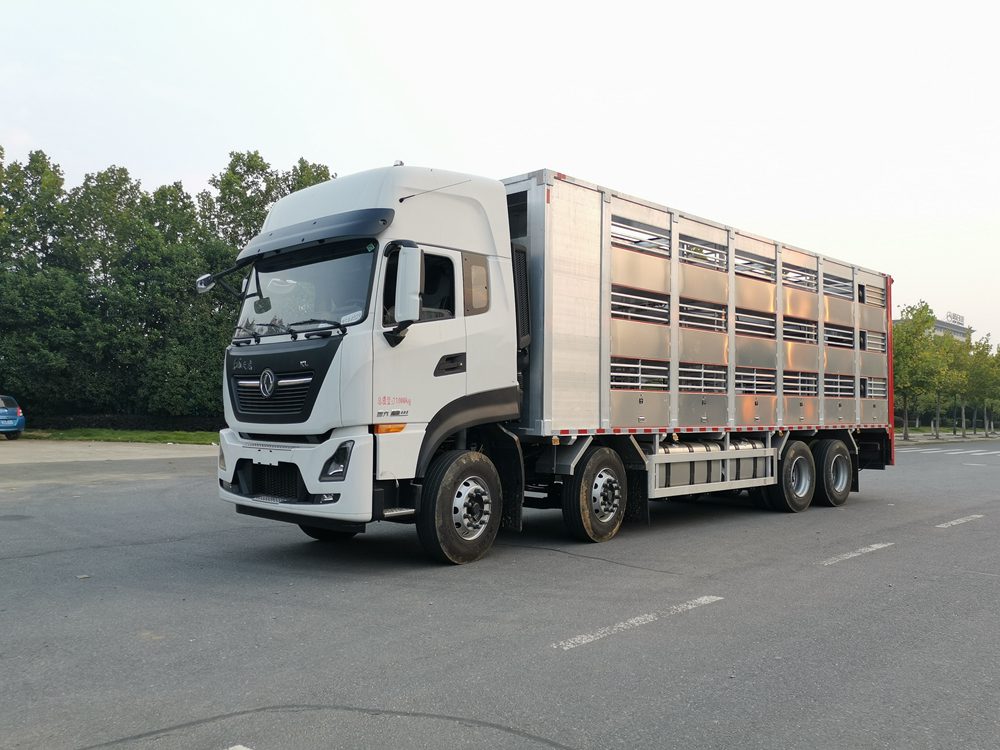
Precautions during the transportation of piglets by livestock transport vehicles
It is preferable not to use vehicles used for transporting commercial pigs to transport breeding pigs. Before transporting the breeding pigs, the vehicles and tools should be disinfected with highly effective disinfectants for at least two or more times. It is better to leave the vehicles idle for one day before loading the pigs. Before loading the pigs, they should be thoroughly disinfected with a less irritating disinfectant (such as dithiocarbamate-iodine complex) once, and a disinfection certificate should be obtained.
During the transportation process, every effort should be made to reduce the stress and limb injury of the breeding pigs, and prevent deaths and infections caused by diseases during the transportation. The breeding farm is required to stop feeding the pigs to be transported 2 hours in advance, and when loading the pigs onto the vehicle, the process should not be too hasty. Special attention should be paid to protecting the limbs of the breeding pigs, and the vehicle doors should be fixed properly after loading.
For long-distance transportation vehicles, the compartments can be padded with materials. In winter, straw, rice husks, and sawdust can be used; in summer, fine sand can be used. This is to reduce the possibility of damage to the limbs and hooves of the breeding pigs. The number of pigs loaded should not be too large. Loading too densely can cause squeezing and lead to the death of the breeding pigs. The compartments for transporting breeding pigs should be divided into several sections, with 4 to 6 pigs in each section. The partitions should be made of smooth steel pipes to avoid injuring the breeding pigs. Male pigs that have reached sexual maturity should be separated and placed separately. They should be sprayed with a strong-smelling disinfectant (such as compound phenol) or mixed with female pigs to prevent them from interacting with each other.
 English